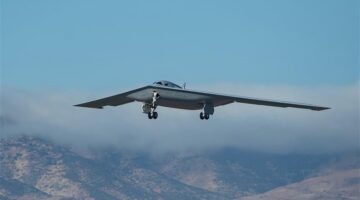
Recent DoD changes risk fielding weapons with hidden problems, watchdog warns
Major workforce reductions at DOT&E have led to "action officers" being assigned more programs, programs in warfare areas for which they lack expertise, or both, GAO said.
Major workforce reductions at DOT&E have led to "action officers" being assigned more programs, programs in warfare areas for which they lack expertise, or both, GAO said.
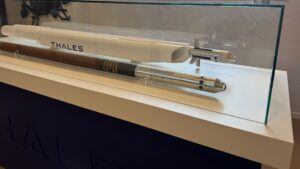
"We more than doubled the [production] number, considering the situation at the moment in the Middle East,” a company executive told Breaking Defense.

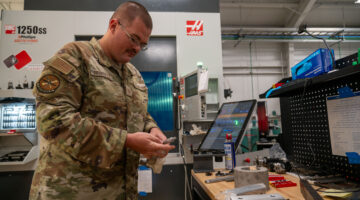
AI-enabled workflows accelerate production, but cybersecurity and governance remain central.

The office outlines 13 recommendations for the DoD and services that primarily revolve around revising weapon systems' test and evaluation policies to reflect “leading practices” for product development.
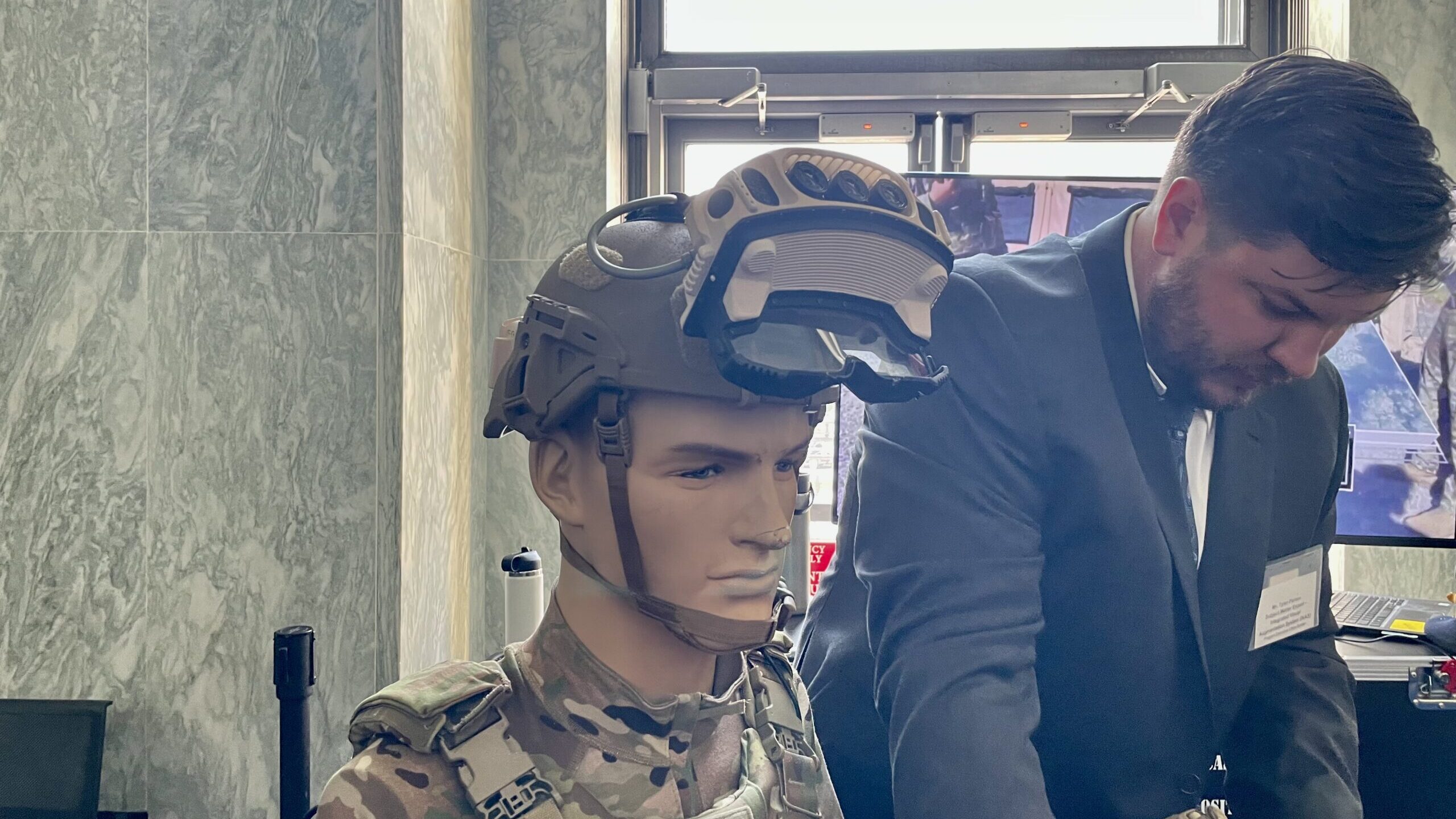
“The [user assessment’s] purpose is to measure system performance to ensure the phase 2 IVAS 1.2 prototype systems continue to meet design objectives,” said Program Executive Office Soldier spokesperson David Patterson.
test post 1 test post 1 test post 1 test post 1 test post 1 test post 1 test post 1 test post 1 test post 1 test post 1 .

Despite a 2018 mandate for “electronic protection” against jamming, there’s little data available showing how vulnerable systems are, said EW director David Tremper.
Supply chains are only as strong as their weakest link, which has been repeatedly proven to be true over the last few years.

“I don’t want to get into any specifics,” Mike White told me, “but some of the challenges we’ve had so far getting to flight have been, in certain instances, avoidable."

As the services rush to field hypersonics, OSD’s top expert warns, they must not repeat sloppy mistakes that have marred past tests – and hypersonic cruise missiles may have more tactical value than easier-to-build boost-glide weapons.

What happens when the Pentagon's new ballistic missile defeat program doesn't work? They keep using the old one, which has a spotty track record.

"We also had a non-pilot with all of 45 minutes of training take the aircraft up and operate for almost an hour," said Sikorsky's autonomy director, Igor Cherepinsky.
A commercial prototype in a sandbox is different from deploying AI across classified networks.